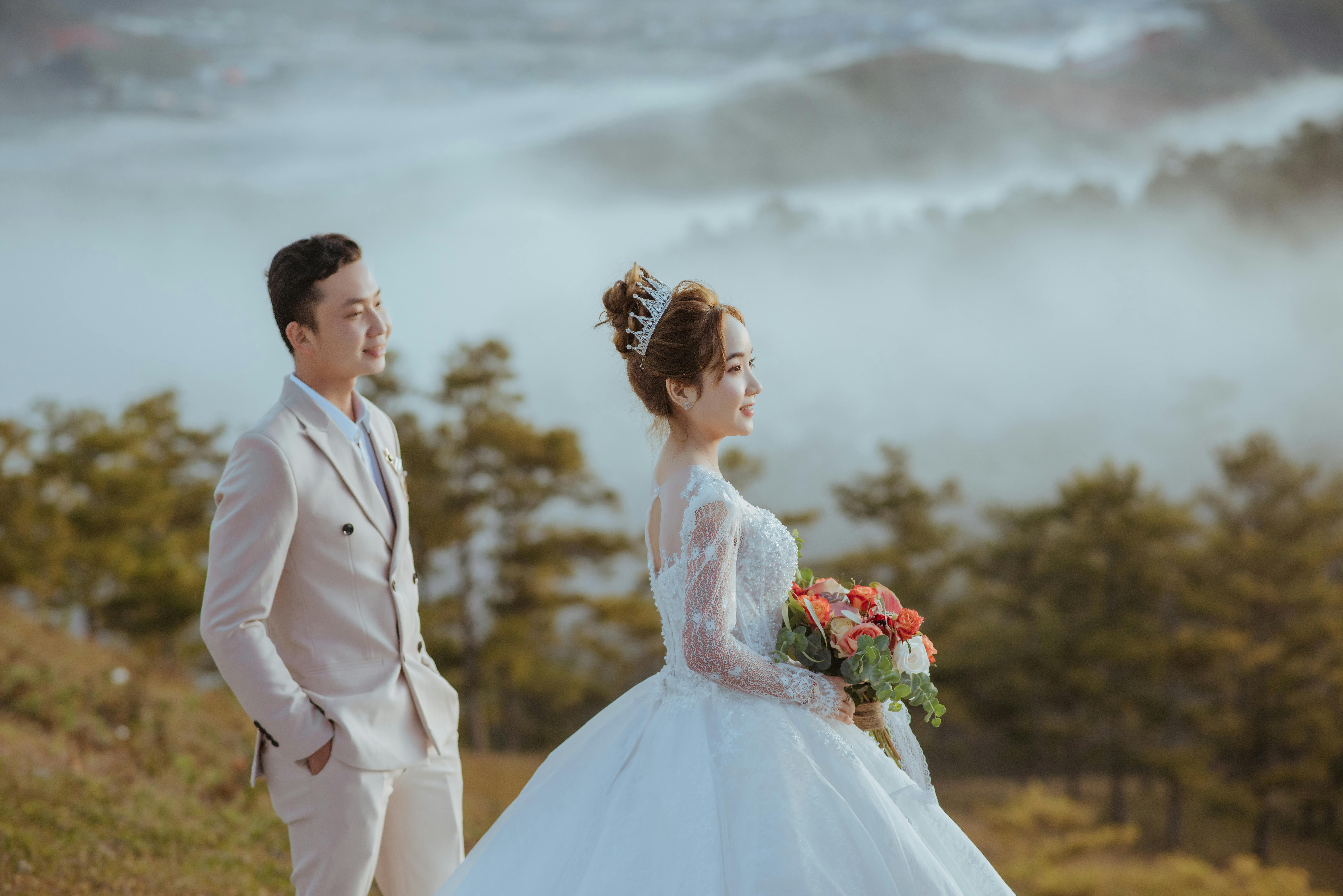
Picture this: a sun-drenched garden filled with vibrant flowers, the soft melodies of a string quartet in the air, and two people deeply in love, ready to embark on a new chapter of their lives. It’s a scene straight out of a fairytale, but it’s also a common setting for a wedding ceremony. Weddings are a magical celebration of love, and the wedding ceremony is the heart of it all, where two souls pledge to be together, for better or for worse. In this article, we’re going to delve deep into the enchanting world of wedding ceremonies, exploring their significance, traditions, and the various elements that make them truly special.
The Essence of a Wedding Ceremony
A wedding ceremony is not just a moment in time; it’s an event steeped in tradition, symbolizing the union of two individuals and their commitment to spend their lives together. The significance of a wedding ceremony cannot be overstated. It’s a celebration of love, a promise of forever, and a ritual that varies across cultures and religions. It’s the culmination of dreams and the beginning of a beautiful journey, making it a day that is etched in the memories of the couple and their loved ones.
The Rituals and Traditions
One of the most captivating aspects of a wedding ceremony is the rich tapestry of rituals and traditions that come with it. These customs are often deeply rooted in cultural or religious beliefs and have been passed down through generations. From a Hindu wedding with its colorful Mehendi ceremony to a Catholic wedding with the lighting of the unity candle, each tradition has its unique charm.
In Indian weddings, the Mehendi ceremony holds immense significance. It’s a vibrant and joyous occasion where intricate henna designs are applied to the bride’s hands and feet. The application of Mehendi signifies the strength and power of love, and it’s believed to bring good luck to the couple. It’s also a fun and memorable moment when the bride’s friends and family participate in the artistry.
On the other hand, the lighting of the unity candle in a Catholic wedding symbolizes the merging of two lives into one. The couple lights two separate candles, representing their individual lives, and then together, they use their flames to light a single candle, symbolizing the union of their lives and the creation of a new family.
No matter where in the world the wedding is taking place, these traditions add depth and character to the ceremony, making it unique to the couple and their backgrounds.
The Venue – Setting the Stage
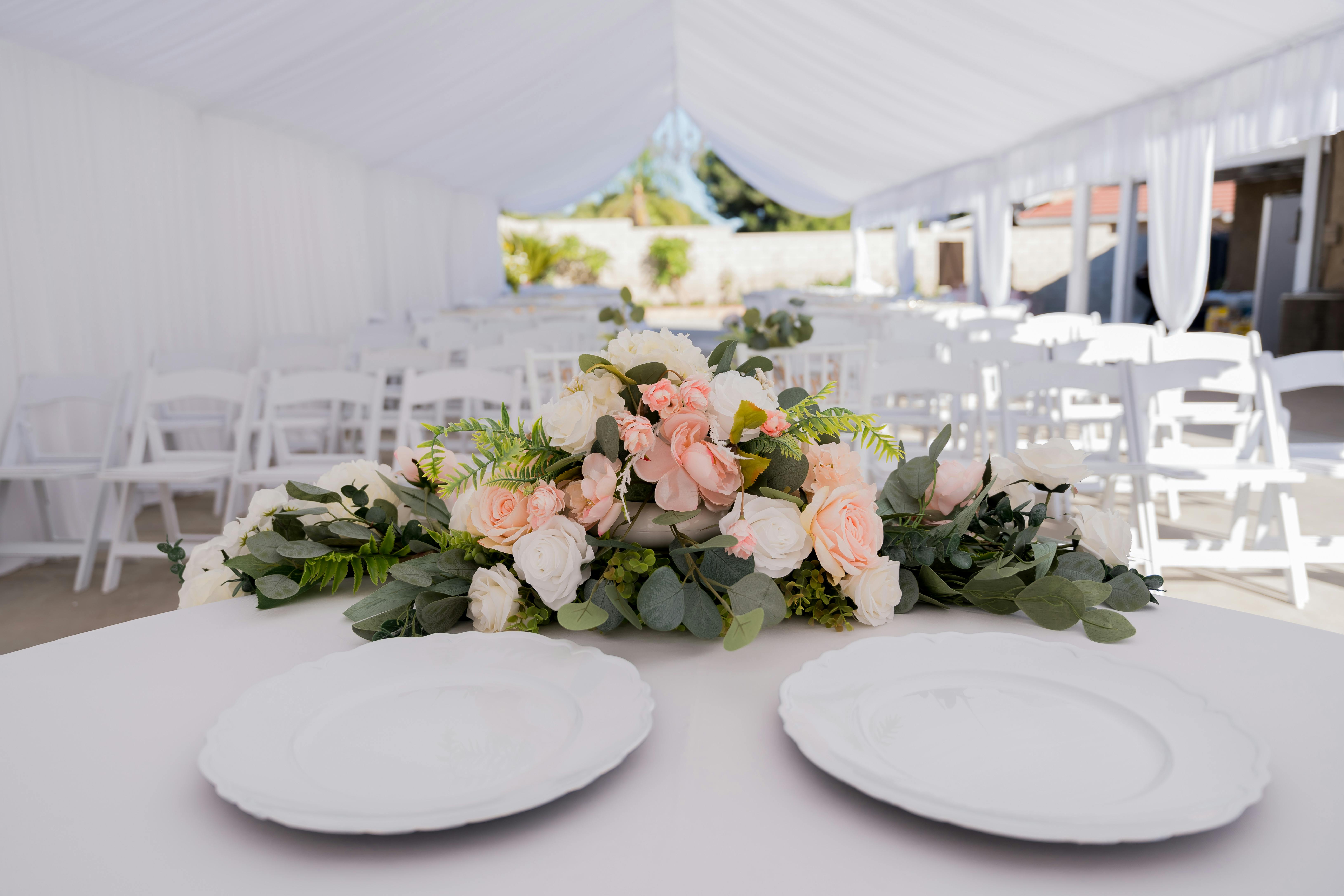
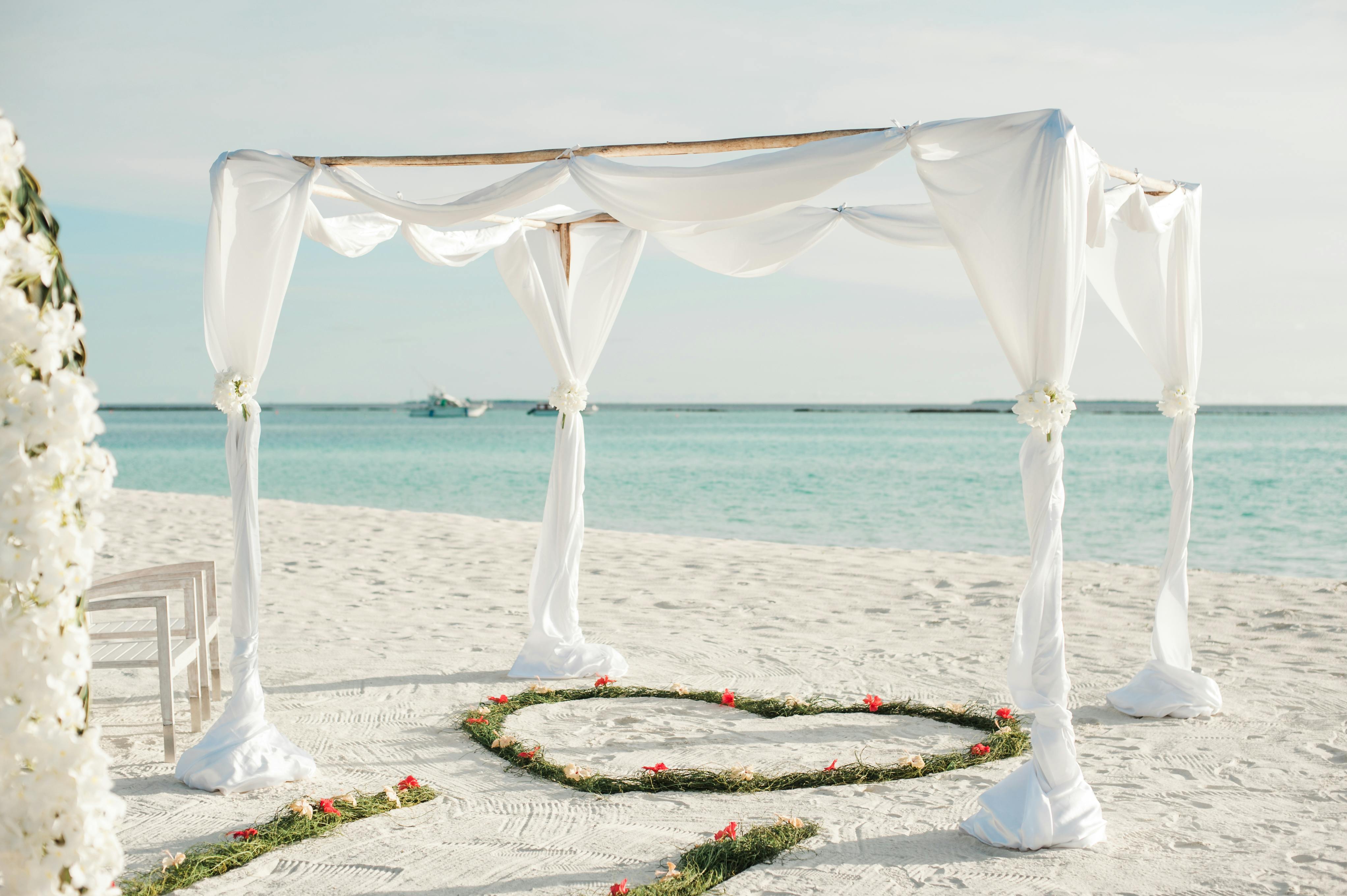
The choice of venue is crucial in creating the right atmosphere for the wedding ceremony. From the pristine beaches of a destination wedding to the grandeur of a historic cathedral, the venue plays a pivotal role in setting the stage for this magical moment.
Destination weddings are a rising trend, offering couples the chance to exchange vows in picturesque locales. Beachfront weddings are a favorite for those who desire a romantic and scenic backdrop. Imagine saying “I do” with the sound of waves crashing in the background and the sun setting on the horizon. It’s a mesmerizing experience that many couples dream of.
Conversely, some couples prefer the grandeur of a historic cathedral. The majestic architecture and stained glass windows create a sense of reverence and awe, making the ceremony feel even more special. The traditional ambiance of such venues adds a timeless quality to the wedding ceremony.
While the choice of venue is subjective and personal, it greatly influences the overall feel and theme of the wedding ceremony. It’s an opportunity for couples to express their personalities and create a setting that resonates with their vision of the big day.
The Wedding Vows – Promises of Forever
A wedding ceremony wouldn’t be complete without the exchange of wedding vows. These are the heartfelt promises made by the couple to one another, vowing to love and support each other through the journey of life. Wedding vows are the emotional core of the ceremony, and they hold immense significance.
Many couples choose to write their own vows, infusing them with personal anecdotes and shared memories. This makes the ceremony even more intimate and meaningful. It’s a moment for the couple to express their love in their own words, reflecting their unique journey together.
Traditional vows, on the other hand, have a timeless appeal. They have been recited by countless couples for generations and are deeply ingrained in our cultural consciousness. They serve as a link to the past, connecting the couple to the long history of weddings and the enduring institution of marriage.
The exchange of vows is a beautiful and emotional aspect of the wedding ceremony. It’s the moment when the couple’s love is declared publicly, and they promise to be there for each other in good times and bad, through sickness and health.
The Role of Music
Music is the universal language of emotions, and it plays a pivotal role in enhancing the emotional resonance of a wedding ceremony. From the processional to the recessional, music sets the tone for the entire event.
The processional is when the wedding party enters, and all eyes are on the bride as she walks down the aisle. The music chosen for this moment is typically a reflection of the couple’s personalities and the atmosphere they want to create. Whether it’s the classic “Canon in D” or a modern love song, the music evokes strong emotions.
The recessional, on the other hand, is the joyful and celebratory moment when the newlyweds walk back up the aisle as a married couple. Upbeat and cheerful tunes, like Mendelssohn’s “Wedding March” or a contemporary pop hit, are commonly chosen to set the mood for this part of the ceremony.
Throughout the ceremony, the music enhances the ambiance and provides a soundtrack to the couple’s love story. Live bands, string quartets, or even a solo acoustic performer can add a personal touch to the musical experience, making it memorable not just for the couple but for the guests as well.
The Rings – Symbol of Commitment
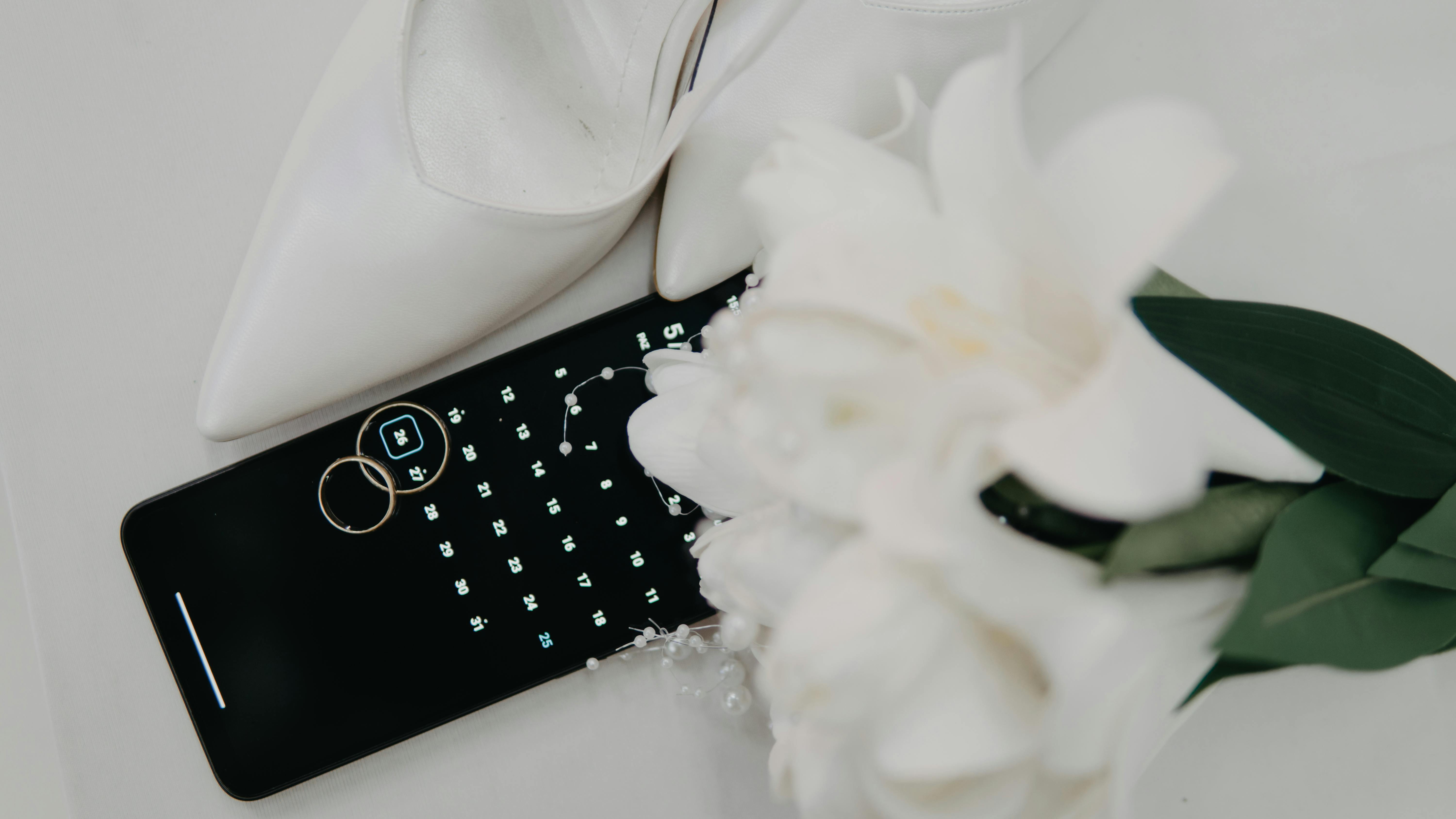
The exchange of wedding rings is one of the most symbolic and cherished elements of a wedding ceremony. These small, circular bands are so much more than just jewelry; they represent an unbroken circle of love and commitment.
As the couple places the ring on each other’s finger, they are expressing their love and dedication in a tangible form. The symbolism lies in the circle’s infinite nature, signifying an everlasting bond. The metal of the ring, whether it’s gold, silver, or platinum, adds its own layer of symbolism, with gold representing purity and silver signifying eternity.
The choice of engraving on the inside of the ring can also add a personal touch. Some couples choose to inscribe their initials, the wedding date, or a meaningful phrase that represents their love. It’s a secret message shared between the two, a constant reminder of their special day and the commitment they’ve made to one another.
The Kiss – Sealing the Deal
After the vows are exchanged and the rings are placed on each other’s fingers, the couple seals their commitment with a kiss. The first kiss as a married couple is a moment of joy and celebration. It signifies the official union and marks the transition from two individuals to a married pair.
The kiss is often accompanied by cheers and applause from the guests, making it a joyful and heartwarming moment. It’s the culmination of the ceremony and the beginning of the couple’s journey as husband and wife.
The Reception – Celebrating Love
The wedding ceremony may be the heart of